In this guide
The initial estimate has limits
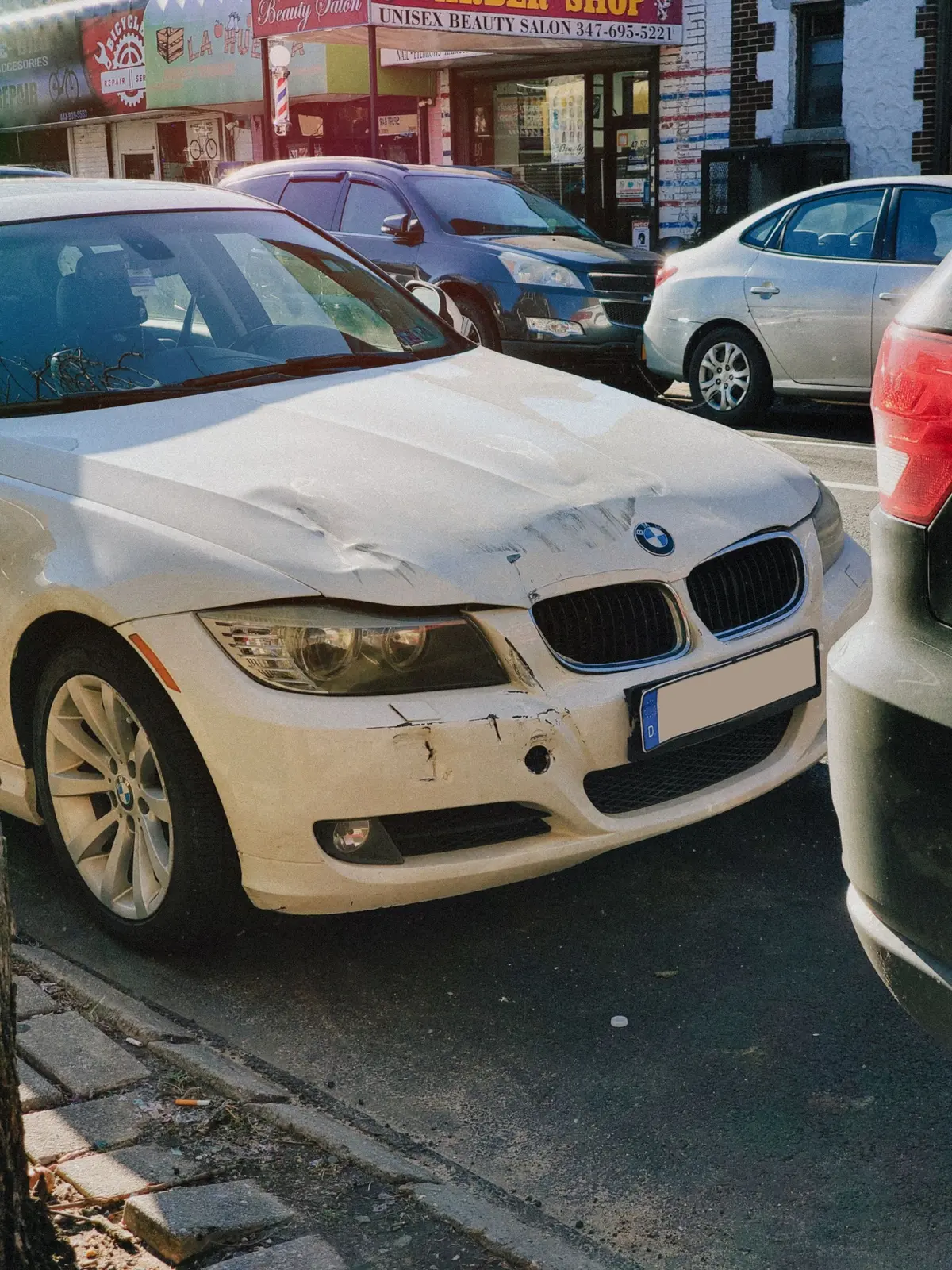
A preliminary estimate is normally written from photographs or a visual inspection. Bumper covers, lamps, trim, interior panels, undercovers, and damaged bolt-on parts can conceal reinforcement, brackets, wiring, sensors, mounting points, and structural damage.
Estimators should not guess at every hidden condition. They document what can reasonably be identified, then update the repair plan when safe disassembly provides better evidence.
What teardown can uncover
Once damaged components are removed, the repair team can inspect mounting points, adjacent panels, corrosion protection, welded assemblies, cooling components, wiring, and sensor brackets. Measuring may reveal movement that was not visible from the exterior.
- Bent reinforcements or mounting brackets
- Cracked tabs and hidden fasteners
- Damage to absorbers, air guides, or cooling components
- Wiring, connector, or sensor damage
- Additional repair access and refinish operations
- Required scans, programming, or calibrations
A supplement updates the claim
A supplement is the documented change submitted after the original estimate. It can include photographs, measurements, diagnostic reports, invoices, part-price changes, and repair-procedure support.
The insurer reviews the additional request and may inspect the vehicle, approve items, request more information, or dispute an operation. This review can affect timing, so supplement communication is a real part of collision repair—not an administrative footnote.
A better final plan protects the repair
Starting repairs from an incomplete visual estimate can lead to missed parts, repeated work, unnecessary delays, or safety-related operations being addressed too late. Atey prefers to identify the full scope before major repair and refinishing work moves forward.
We explain significant changes and keep the repair documentation connected. Your deductible usually does not increase simply because the covered repair total rises, although coverage, betterment, unrelated damage, and owner-authorized items can affect what you owe.