Forward camera
Windshield work, camera removal, ride-height changes, alignment, or collision movement can affect aiming and calibration requirements.
ADAS calibration
Camera, radar, blind-spot, scanning, and calibration requirements connected to the collision repair—not treated as an afterthought.
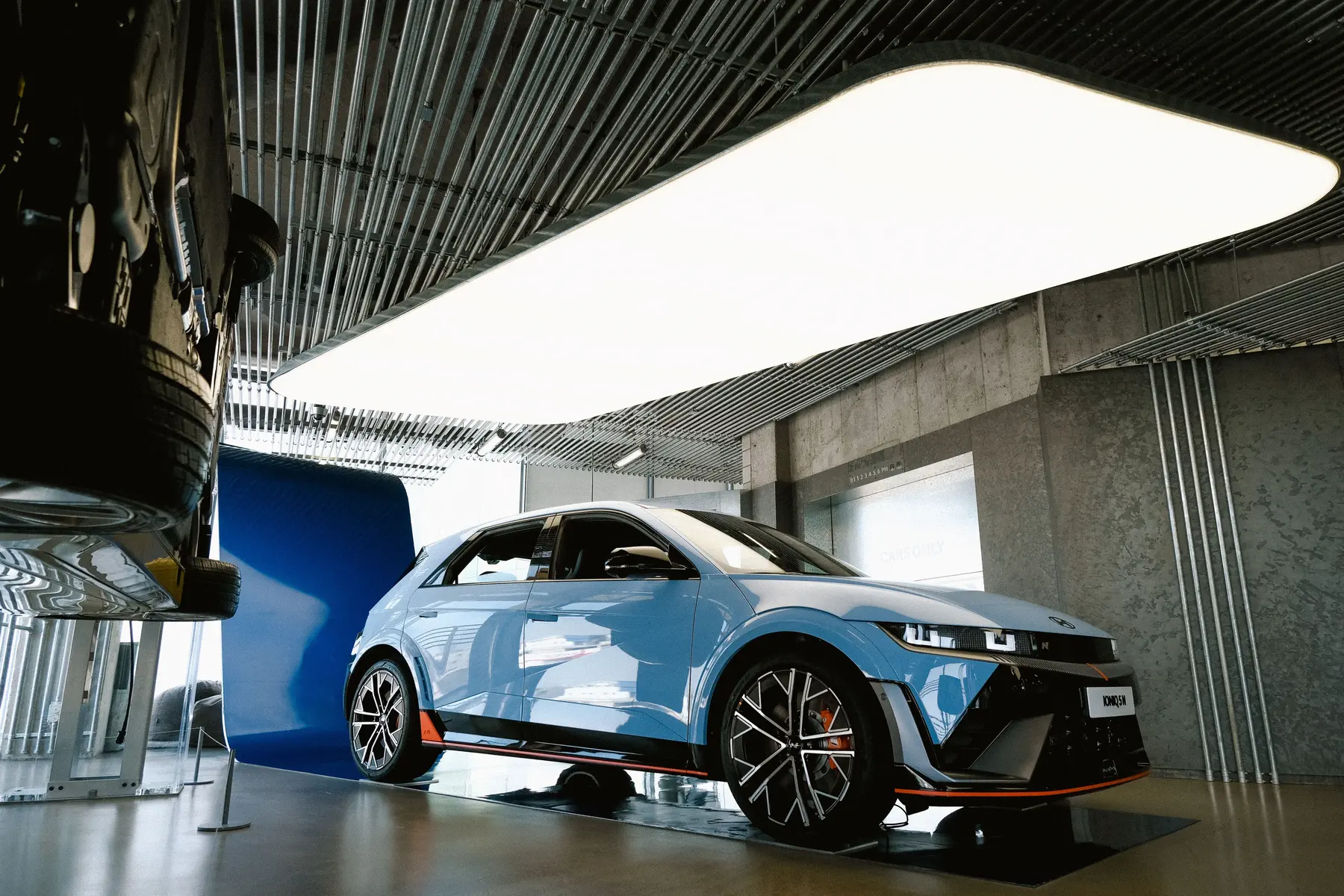
Driver-assistance systems depend on sensors mounted to glass, bumpers, grilles, mirrors, body panels, brackets, and vehicle structure. A collision—or the work required to repair it—can change the position or data those systems rely on.
Atey manages required scanning, diagnostic, programming, and calibration work as part of the overall repair plan. The exact procedure is determined from the vehicle, the completed operations, diagnostic results, and applicable repair information.
Systems affected by repair
Windshield work, camera removal, ride-height changes, alignment, or collision movement can affect aiming and calibration requirements.
Bumper, grille, reinforcement, bracket, or radar replacement can change the sensor's position and require inspection or calibration.
Rear body and quarter-panel repairs, sensor removal, bracket work, or replacement can trigger calibration or aiming procedures.
Steering-angle, wheel alignment, ride height, tire condition, diagnostic faults, and module programming can all affect a successful calibration.
How modern vehicles see
Many driver-assistance components are hidden in the glass, mirrors, bumper, grille, and body structure. Atey reviews those systems as part of the repair plan—not as an isolated service after the bodywork is finished.
The vehicle, the damage, the parts used, and the completed operations determine what needs to be scanned, inspected, calibrated, and documented.
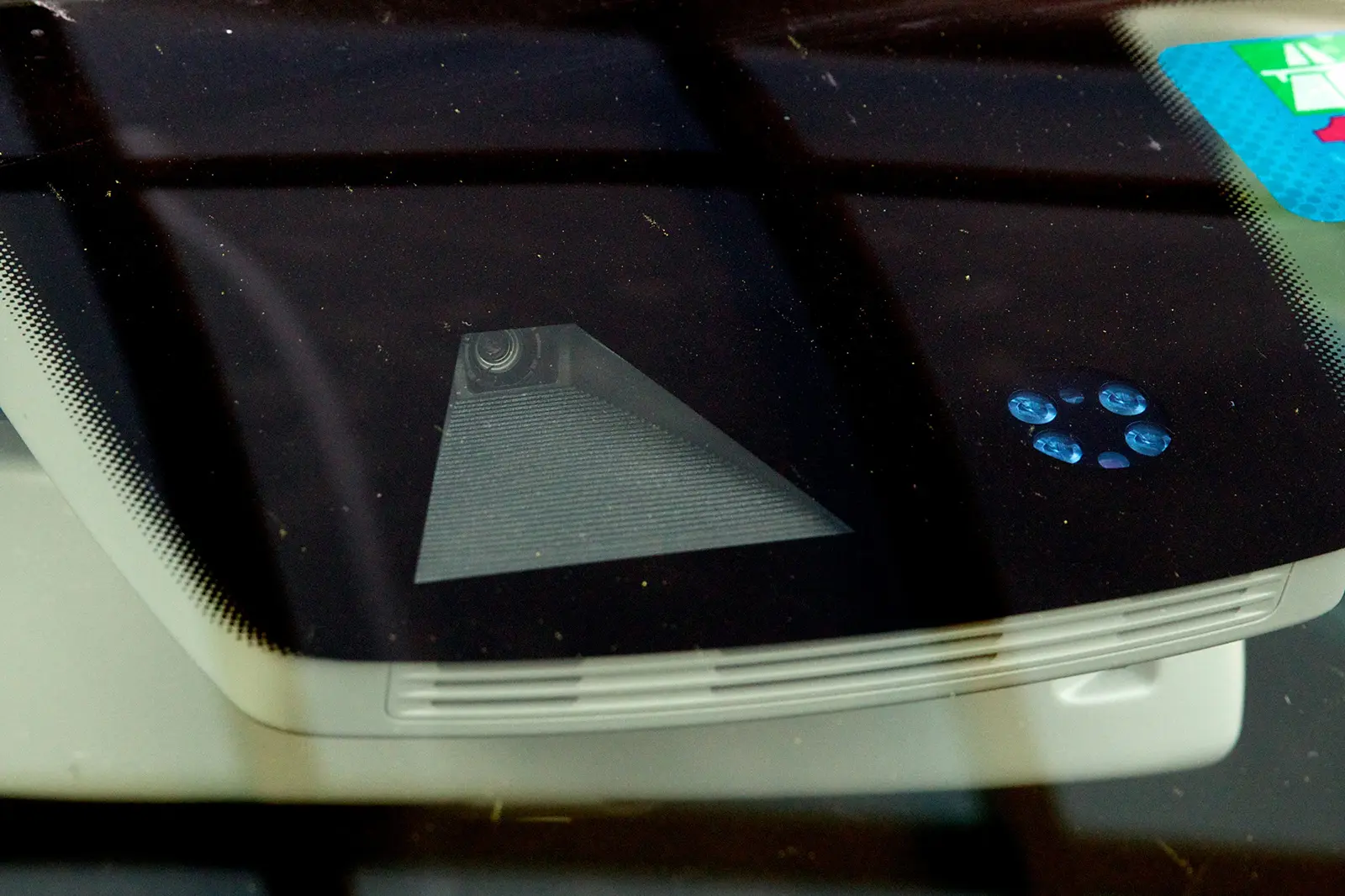
A forward camera commonly sits behind the windshield and may support lane departure, lane keeping, sign recognition, and collision-warning functions. Glass work, camera removal, structural movement, or alignment changes can affect its calibration requirements.
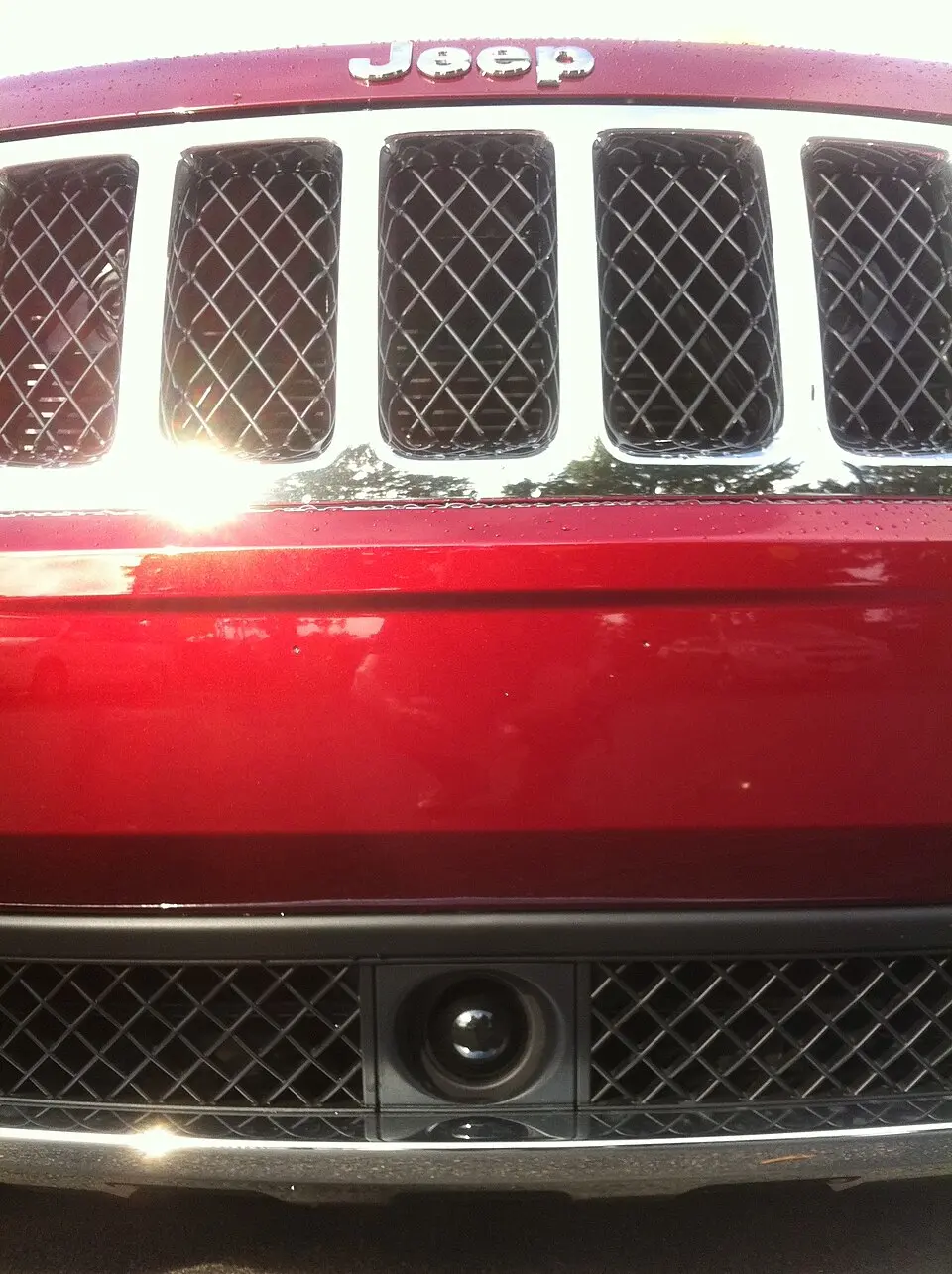
Radar may sit behind a bumper cover, grille, emblem, or bracket. A small change in mounting angle, bracket position, part construction, or repair material can affect what the sensor sees—even when no warning light is present.
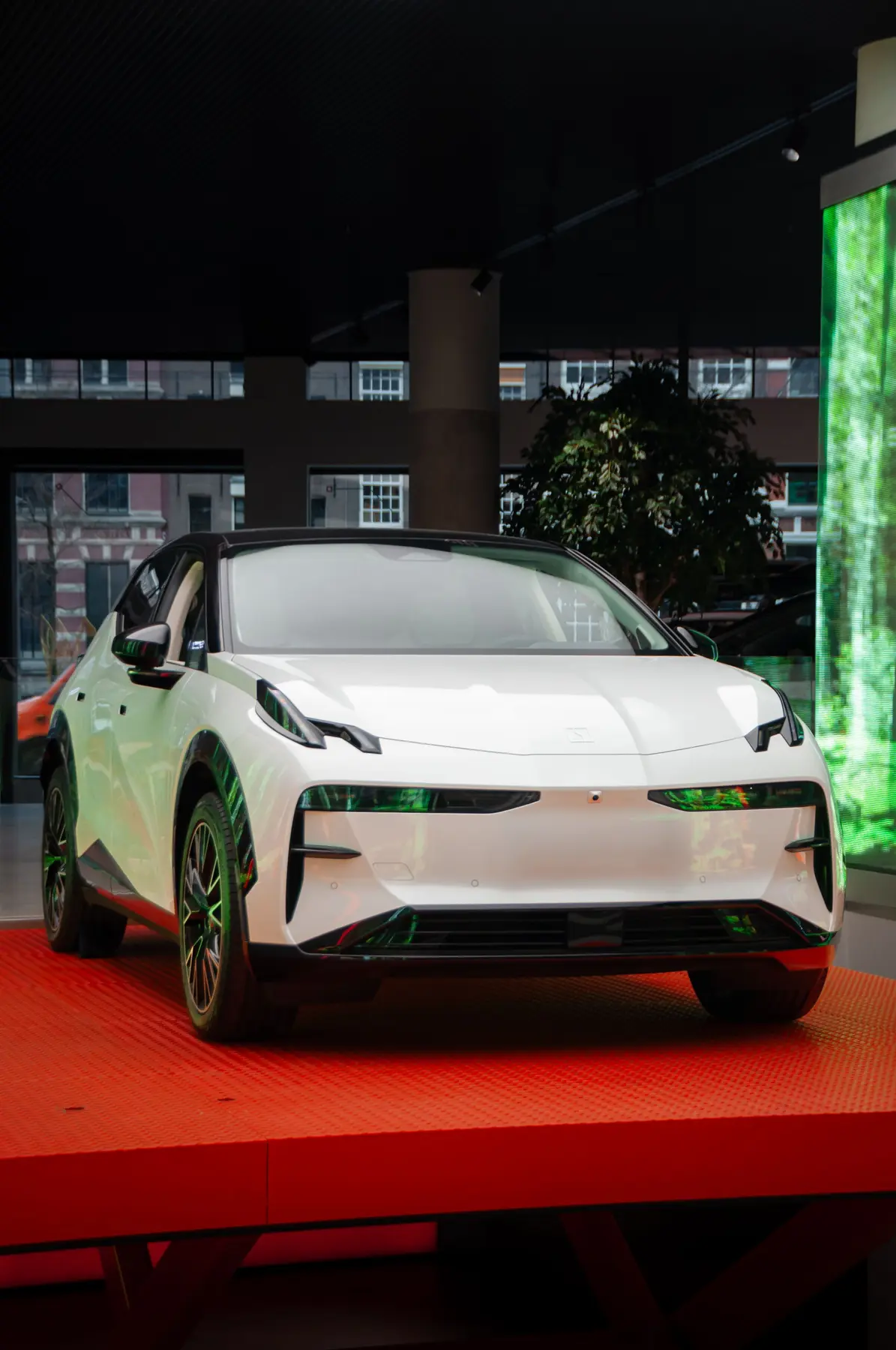
Cameras and radar do not work alone. Steering angle, wheel alignment, ride height, tire condition, sensor mounting, programming, and diagnostic faults can all affect whether a procedure can be completed and verified.
Correct parts, intact mounting points, proper alignment and ride-height conditions, resolved faults, the applicable vehicle procedure, and final documentation all matter to a valid result.
One connected repair plan
Calibration is not a button press. Faults, damaged brackets, incorrect parts, alignment, ride height, tire condition, programming, or an incomplete repair can prevent a valid result.
Local collision calibration support
Atey assists vehicle owners from South Hackensack, Hackensack, Maywood, Lodi, Hasbrouck Heights, Teterboro, and surrounding Bergen County communities when a collision repair involves ADAS calibration or diagnostic requirements.
ADAS calibration questions
No. Requirements depend on the vehicle, the damage, the components removed or replaced, alignment changes, diagnostic results, and the manufacturer's repair procedures.
Not reliably. A system can require calibration without displaying a dashboard warning, and a warning may indicate a separate diagnostic issue that must be resolved first.
The repair team reviews diagnostic faults, mounting position, alignment, tire and ride-height conditions, programming, and the specific setup requirements before deciding the next step.
When a calibration is required by the repair and supported by documentation, Atey includes it in the repair conversation with the insurer. Coverage decisions can still vary by claim and policy.