In this guide
Why the bumper area matters
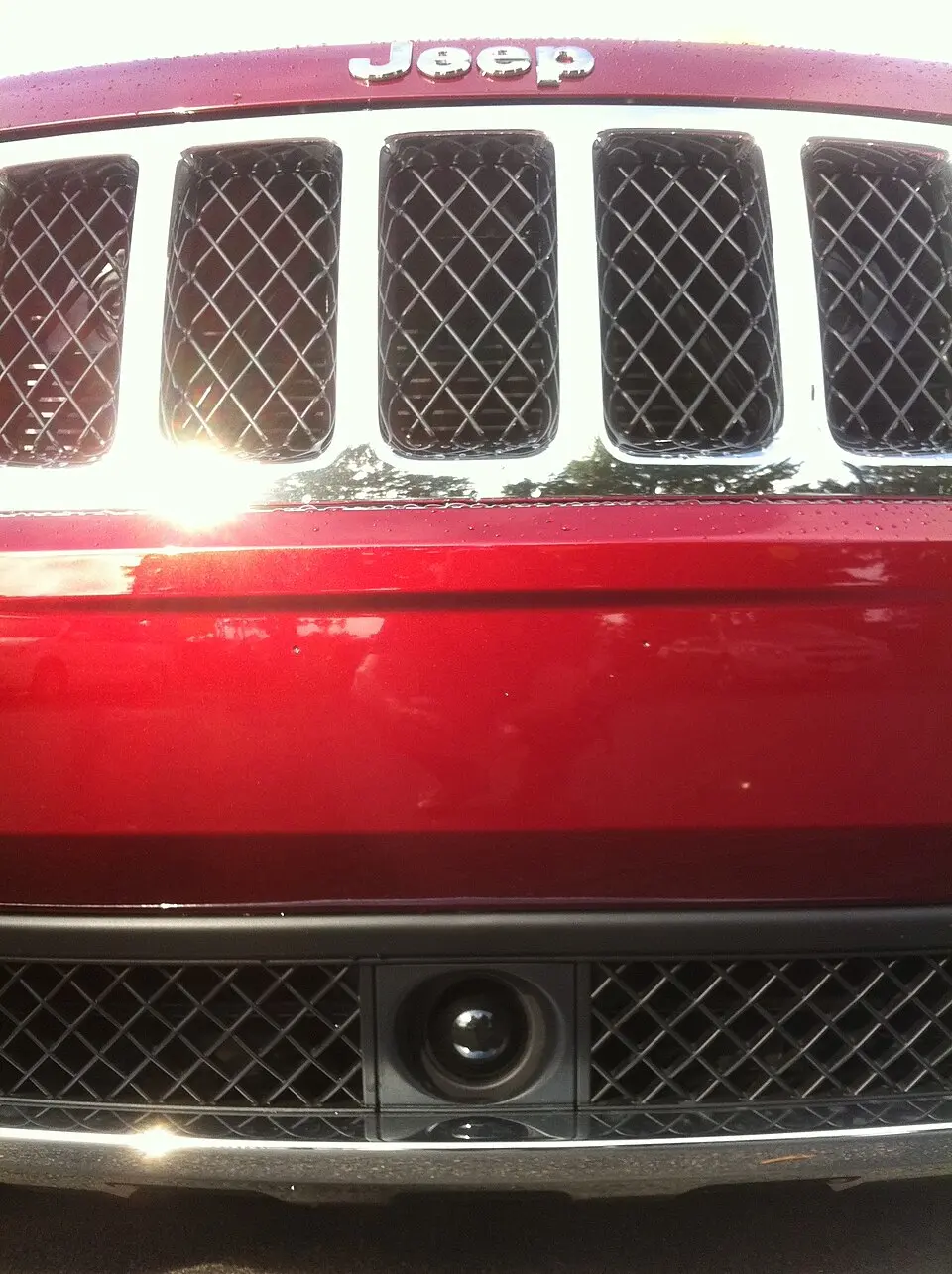
Adaptive cruise control, automatic emergency braking, parking assistance, and related features can depend on sensors mounted in or behind collision-prone areas. Even when the radar itself is undamaged, its bracket, aiming angle, cover material, emblem, or surrounding structure may have changed.
Paint thickness, repair materials, incorrect parts, or an improperly positioned bracket can also interfere with some vehicle-specific sensor requirements.
When calibration may be required
There is no universal rule that every bumper repair needs calibration. Atey reviews the vehicle’s repair information and the operations performed. Calibration, aiming, or verification may be required after sensor removal, radar replacement, bracket work, structural repair, alignment changes, or certain bumper and grille replacements.
- Radar or camera removed or replaced
- Mounting bracket repaired, replaced, or disturbed
- Bumper, grille, emblem, or reinforcement replaced
- Front structure measured or repaired
- Wheel alignment or ride height changed
- Diagnostic trouble codes or system warnings present
No warning light does not prove correct aim
A sensor can communicate with the vehicle and produce no dashboard warning while still requiring calibration. The vehicle may know the module is online without independently confirming that its physical aim matches the road.
The reverse is also true: a warning or failed calibration may result from a diagnostic fault, damaged bracket, wrong part, alignment condition, programming need, tire issue, or incomplete repair that must be corrected first.
How Atey connects calibration to the repair
Atey considers scanning and calibration during repair planning, not only at final delivery. Required preconditions are checked, the applicable static or dynamic process is completed, and reports are retained with the repair file when available.
Calibration is one part of the final review. Panel fit, wiring, diagnostic faults, sensor mounting, alignment information, and system operation still need to agree with the completed repair.